About
Skilled Nursing and Long-Term Care at Otterbein
Compassionate, Person-Centered Care
Find professional nursing care at one of our nine SeniorLife Communities, nine SeniorLife Neighborhoods, or even in your own home. You or your loved one will experience friendly, compassionate, safety-focused care and the high nurse-to-elder ratio our staff is known for.
Our skilled nurses provide customized long-term care to support any of your personal care needs, even if it’s just helping with basic tasks associated with daily living. We’re here for you and your loved one.
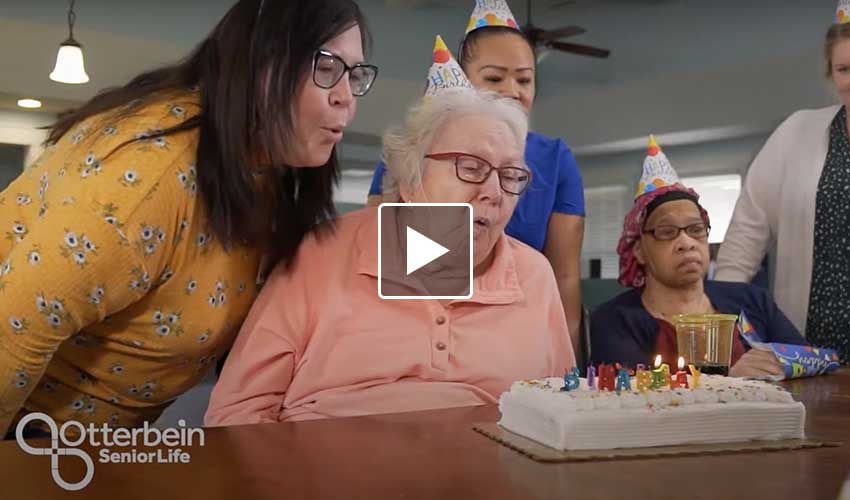
STNAs and Licensed Nurses
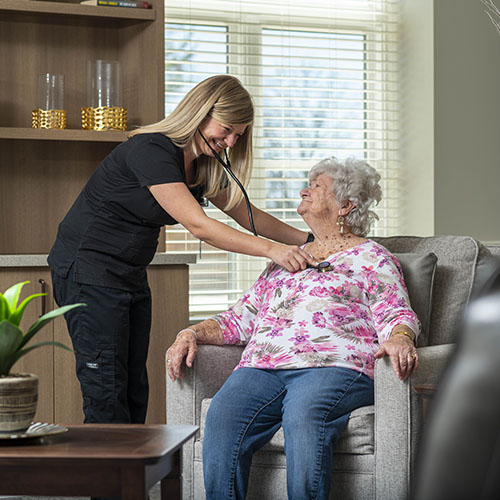
Round-the-clock care from licensed STNAs and RNs
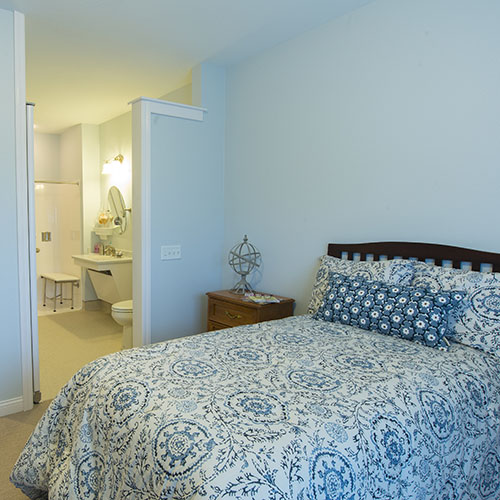
Comfortable living in a private or shared suite- options:
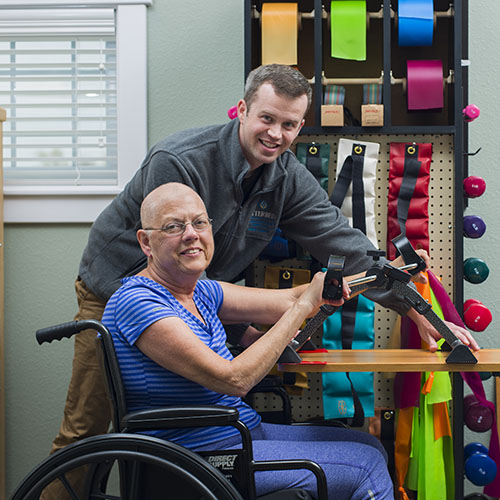
Assistance with life’s daily activities Options
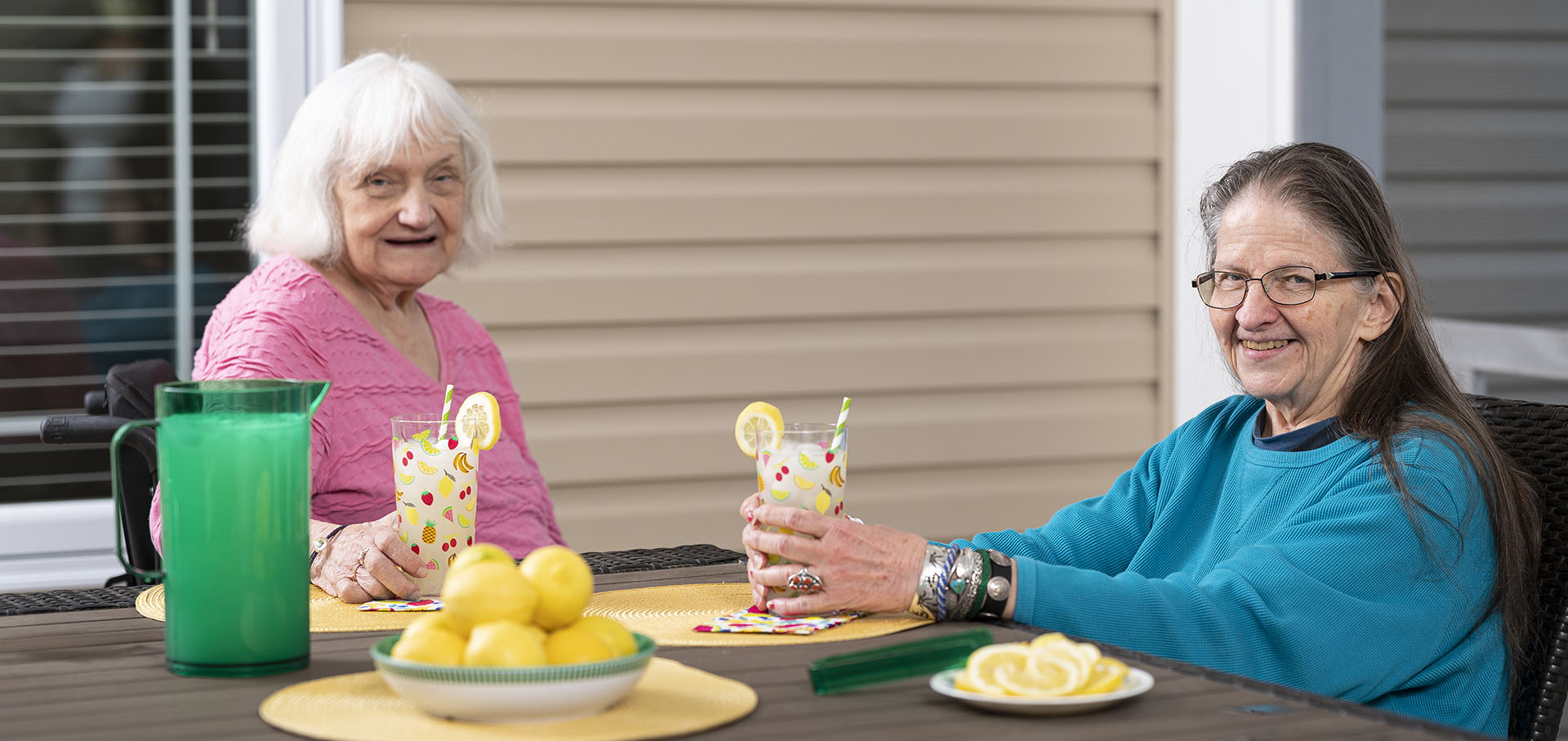
Social interaction, fun activities, and recreational events

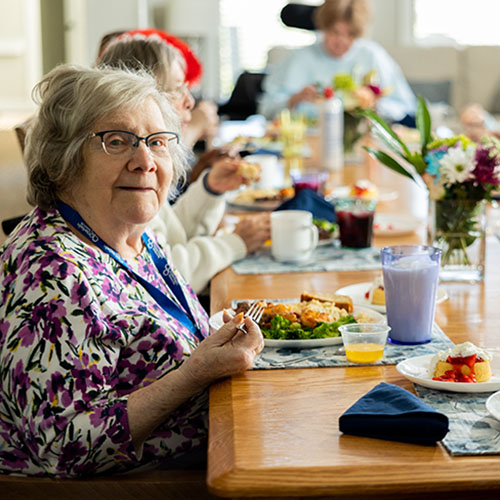
Three meals prepared fresh each day
Assisted Living Vs. Skilled Nursing/Long-Term Care
| Assisted Living | Skilled Nursing/Long-Term Care | |
|---|---|---|
A helping hand with some daily tasks |
| Round-the-clock assistance |
Living in a private apartment |
| Living in a private or shared suite |
Medication reminders or |
| Medication administration |
Recreational programming |
| Therapeutic programming |
Three daily meals and possible kitchenette in apartment |
| Three meals provided each day |


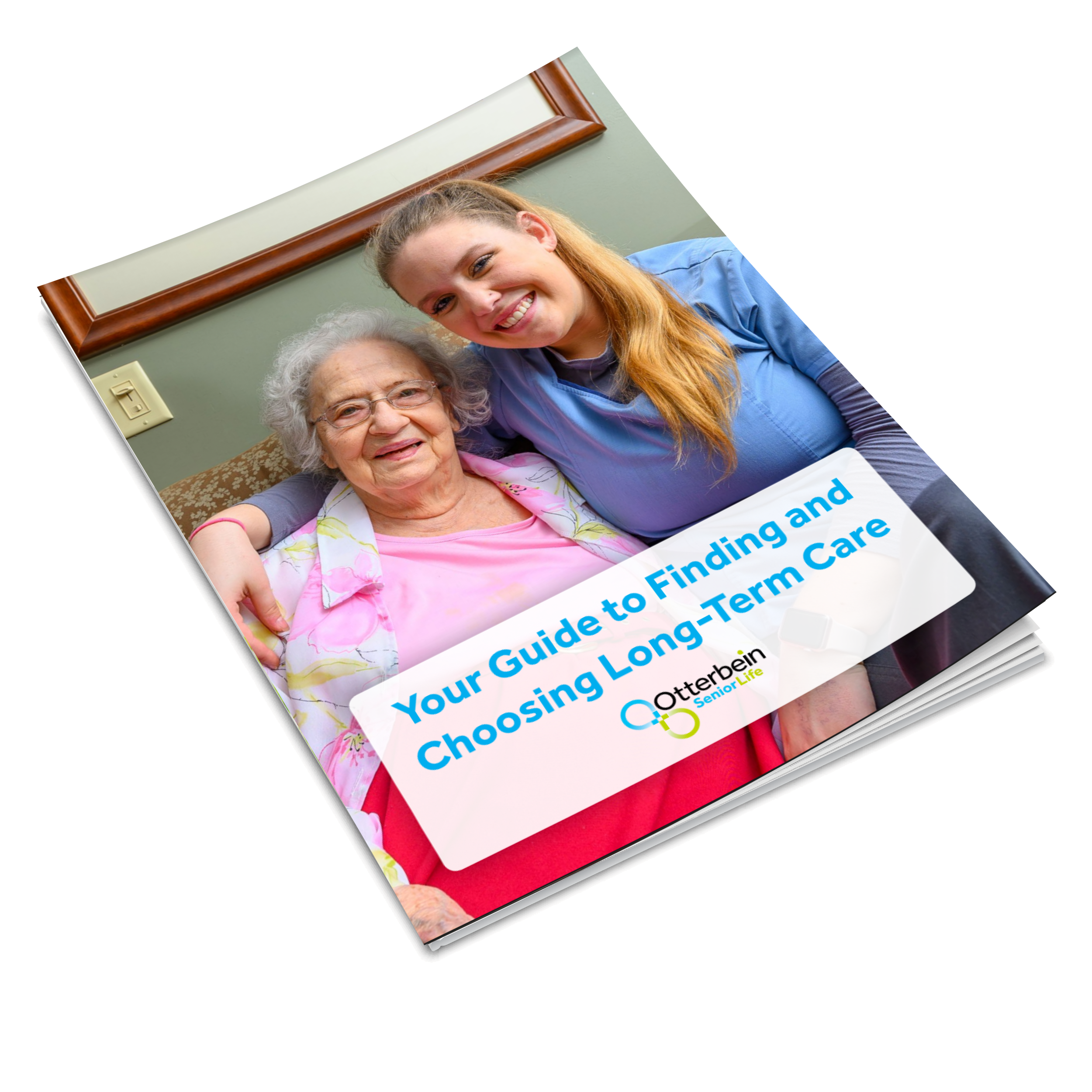
You can also download a PDF copy at any time.
Nursing Care Options at Otterbein
Locations Across Ohio and in Indiana

SeniorLife Communities
Each SeniorLife community offers a nursing care center, so whether you need post-surgery rehab or your needs progress, we can provide the care you need.

SeniorLife Neighborhoods
Our revolutionary nine SeniorLife Neighborhoods embody what is known as the “small house” model. These Small Houses offer person-centered care. Elders choose their schedules, can decorate their private room to their tastes, work one-on-one with staff, and more.

SeniorLife in the Home
Get the care you need in the comfort of your own home. Whether it’s post-surgery support or a helping hand, we’ll come right to your door.
How Much Does Skilled Nursing Cost at Otterbein?
Our average monthly cost for long-term care private-pay residents at Otterbein in 2023 is $11,500 (via private pay). This cost is a general view of what you could expect to pay and could be higher or lower depending on your specific situation, including if you have coverage from other sources.
Milestones at Otterbein: A Guided Journey in Memory Support
Learn more about our Milestones program at Otterbein and see how we provide the highest possible level of care for our residents with dementia.
Milestones at Otterbein: A Guided Journey in Memory Support is recognized by the Alzheimer’s Association® for incorporating the evidenced-based Dementia Care Practice Recommendations in the following topic areas: Alzheimer’s and dementia, person-centered care, assessment and care planning, activities of daily living, and behaviors and communication.
Find an Otterbein Skilled Nursing Care Location Near You
18 skilled nursing care locations throughout Ohio and in Indiana make it easy to find an Otterbein near you. Contact us anytime with questions about admission or to schedule a tour.
Gahanna SeniorLife Neighborhood
Lebanon SeniorLife Community
Loveland SeniorLife Neighborhood
Marblehead SeniorLife Community
9400 North Shore Blvd.
Lakeside-Marblehead, Ohio 43440
(419) 798-8203
Middletown SeniorLife Neighborhood
Otterbein Sunset House
New Albany SeniorLife Neighborhood
Cridersville SeniorLife Community
St. Marys SeniorLife Community
Perrysburg SeniorLife Neighborhood
3529 Rivers Edge Drive
Perrysburg, Ohio 43551
(419) 874-2428
Maineville SeniorLife Neighborhood
Otterbein Sunset Village
9640 Sylvania-Metamora Road
Sylvania, Ohio 43560
(419) 724-1200
Springboro SeniorLife Neighborhood
Union Township SeniorLife Neighborhood
Monclova SeniorLife Neighborhood
Franklin SeniorLife Community
1070 W Jefferson Street
Franklin, Indiana 46131
(317) 736-7185
Pemberville SeniorLife Community
20311 Pemberville Road
Pemberville, Ohio 45430
(419) 833-7000